

Seated ticketing is the oldest thing we do. The seat map, the hold while somebody chooses, the release when they do not, and a counter that has to sell from the same chart as the website: all of it was built for concerts and has been running for years. Pointing it at a daily schedule instead of a one-off night is a small change for us and a large one for a venue currently selling a numbered seat off a paper chart.
Who this is actually for
Worth being direct about, because the top of this market is not available and we are not going to pretend otherwise.
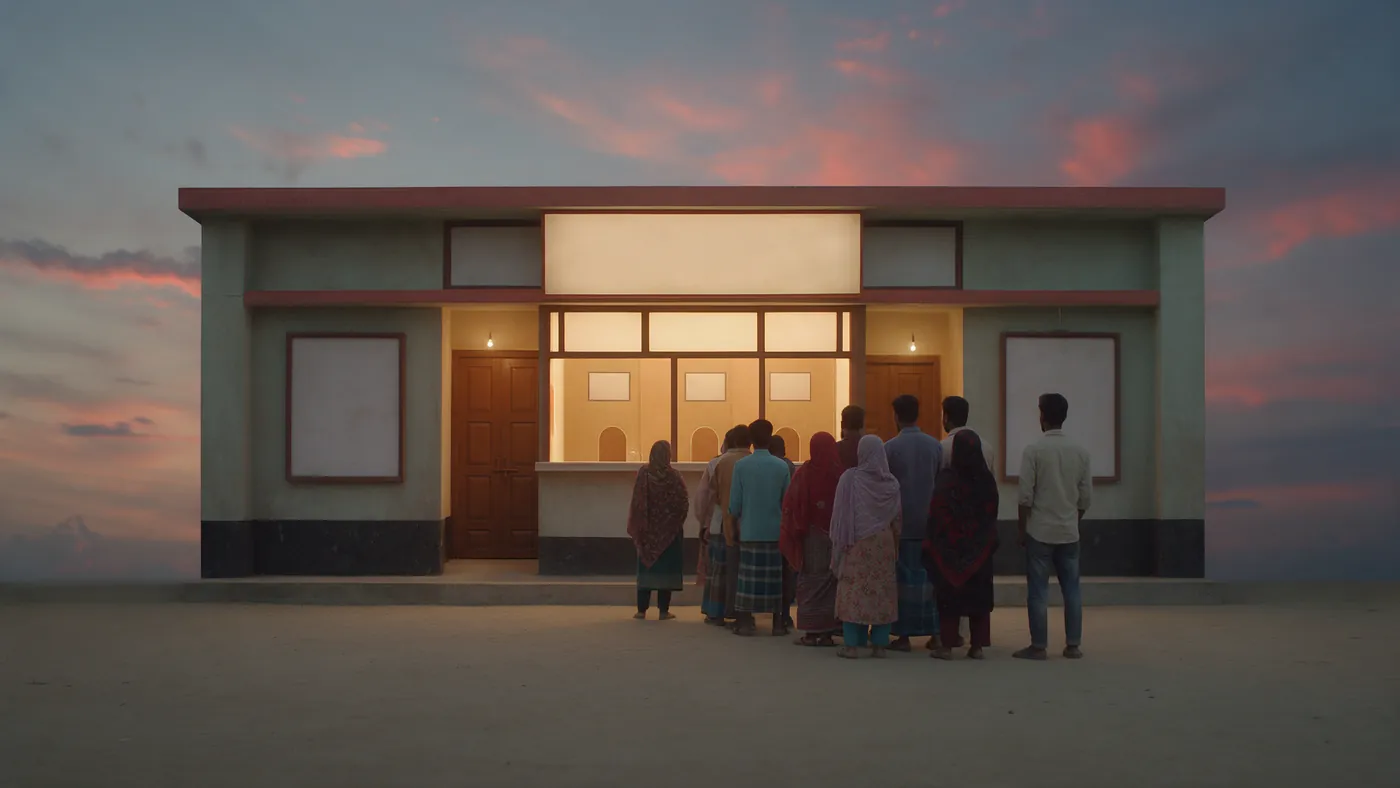
- Independent and single-screen cinemas, where tickets go out of a window and nobody can reliably say how many did
- Theatres and live venues: the flagship rooms in this region are still taking bookings over a messaging app
- Clubs, auditoriums and cultural centres running a mixed programme rather than a fixed daily schedule
- Screening rooms, film societies and festivals selling a handful of shows at a time
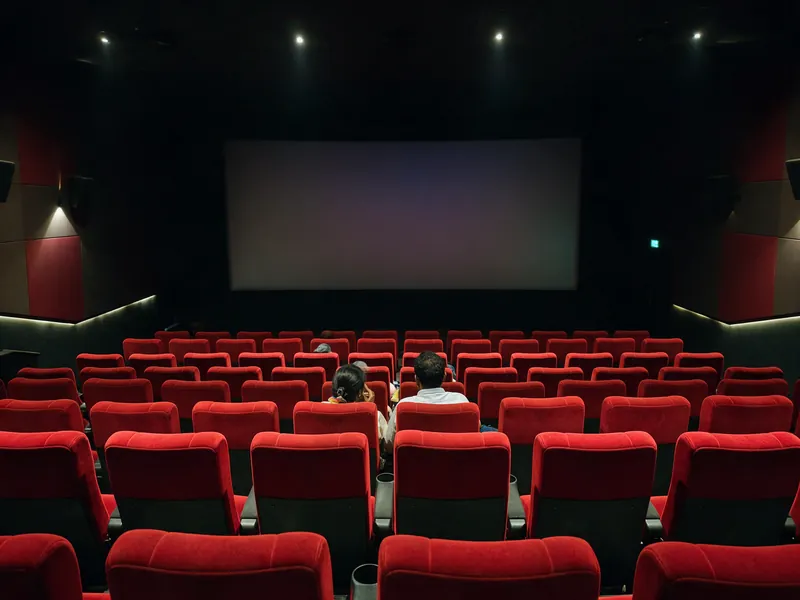
A numbered seat is only worth something if exactly one person is holding it.
Holds are the whole of seated ticketing
Everything difficult about a seat map happens during the thirty seconds somebody is deciding. The seat has to be unavailable to everyone else for exactly as long as they are choosing, and available again the instant they stop, and the counter has to be looking at the same chart while it happens.
That is the part we already run at festival scale, and the part a paper chart cannot do at all. The schedule on top of it is comparatively simple: a pattern of times, a map per showing, and prices that can differ by day and by hour.
What you get
The seated engine from the event side, pointed at a daily schedule.
- A seat map per auditorium, and a map per showing, so a seat sold at six is not sold again at nine
- Seats held while a buyer decides and released the moment they do not, with the counter reading the same chart
- A daily or weekly pattern of showtimes, with one-off changes, blocked rows and closures
- Prices that differ by day, by time of day or by range of dates: a matinee rate that is not the Friday-night rate
- Box office sales against the same inventory, with the tender recorded as it happened
- One scannable code per booking, whatever is on it, with scanning permissions granted per person at the door
The honest scope
Thailand's cinema market is two chains holding almost all of it, and the larger one completed an enterprise system rollout at the end of 2024. That is not a market we expect to win and not one we are pitching for. In Bangladesh the multiplexes largely run their own stack, and the single-screen halls are a segment the industry body is drafting a state-backed system for. So this page is not aimed at chains. It is aimed at the independent screen, the theatre, the auditorium and the festival: where there is no incumbent, the current system is a paper chart or a phone number, and reserved seating done properly is something the person buying a ticket can actually see.
Common questions
Is this for cinema chains?
No. The chains in both our countries either run their own systems or have recently signed with enterprise vendors, and we are not pitching against that. This is for independent screens, theatres, auditoriums, cultural centres and festivals: venues where the current system is a paper chart, a phone number or a messaging thread, and where nobody has a reliable count of what went out the door.
Can you build our seating plan?
Yes. Send a photograph of the existing chart or a rough sketch with the row letters and seat numbers and we lay it out, including the awkward parts, which is usually a balcony, a box, a wheelchair space, or a row that is shorter than the one in front of it.
How do daily showtimes work?
As a pattern rather than as individual events. You describe the times you run, how long a showing takes and the gap between them, and the schedule fills out as far ahead as you sell. Individual showings can then be changed on their own: block one, cap it, close a row, or price it differently.
We sell most tickets at the window.
Then the window sells from the same chart as the website. A seat sold at the counter is gone online immediately and the other way around, the tender is recorded as cash, card machine or transfer rather than lumped together, and at the end of the night sold against scanned is one number instead of a paper count reconciled against a report.
We do plays and concerts, not films.
Better fit, if anything. Seated ticketing here was built for live events first (reserved seating, tiered pricing, holds at scale, and a door that scans) and a mixed programme of individual dated performances is the shape it started with. A daily film schedule is the newer case, not the original one.
Other industries we work with
Stadiums and tournaments
Reserved stands and open terraces on one capacity, and a gate that keeps moving.
Read more
Events and concerts
Reserved seating and general admission on one inventory, on your own domain.
Read more
Tours and guided experiences
Departures, seats per departure, and a direct channel beside the listing.
Read moreTell us about the event
Send your seating plan (a photograph of the existing chart is enough to start) and how a week of programming looks. We will build the room and send you a page with your own seat map on it.
Prefer email? support@quicket.me