

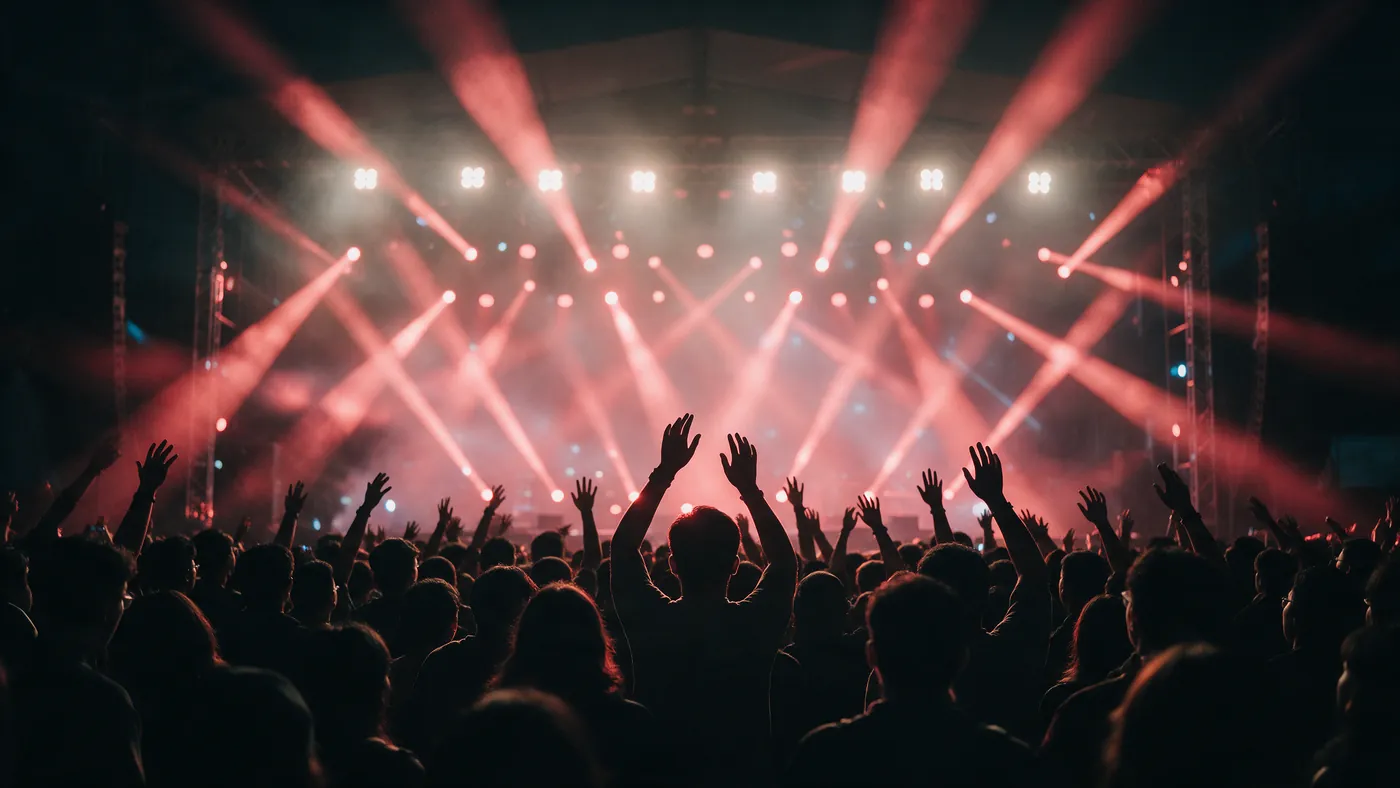
This is the thing Quicket was built to do, and everything else on this site is that engine pointed somewhere new. A concert is a short, violent test of a ticketing system: most of the inventory moves in the first few minutes, the seat map has to be correct while thousands of people are looking at it simultaneously, and the gate has to work on the one night that matters. There is no second attempt at an on-sale.
Where organisers get hurt
Almost never in the middle. Always at the two ends.
- The on-sale falls over, or worse, sells the same seat twice and the refund is the least of the problem
- International platforms do not take local payment methods, so the buyer who has bKash and no card simply does not buy
- Payouts arrive late, in the wrong currency, after a chargeback window nobody explained
- The gate runs off an exported list, which is correct until somebody buys a ticket after the export
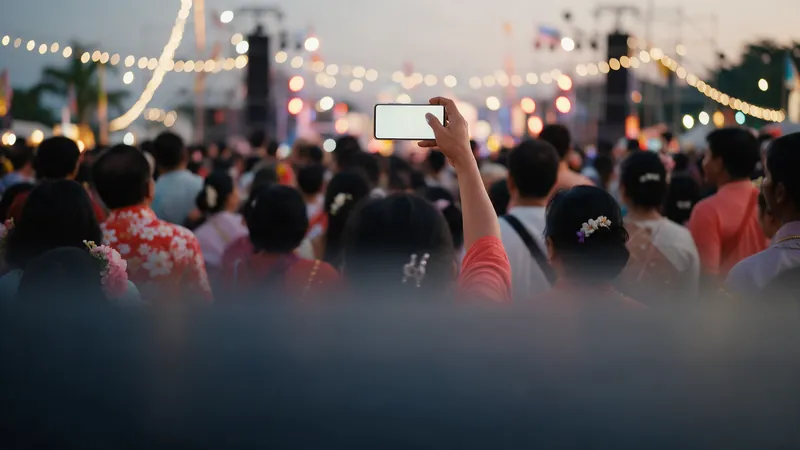
Most of the inventory moves in the first few minutes. That is the test, and it only runs once.
An on-sale is a concurrency problem wearing a marketing hat
The difficulty is not the traffic. It is that thousands of people are looking at one seat map and a few hundred of them want the same block, and every one of them needs an answer that is still true a second later.
A seat leaves inventory when it enters a basket, is held while the buyer pays, and returns the moment they abandon it. The final commit only succeeds if the seat is still free at that instant, so two simultaneous buyers cannot both win it. The map a buyer is looking at already has held seats subtracted, which is why the second-best seat is offered rather than a seat that quietly is not available.
What you get
The parts that decide whether an on-sale is calm.
- Reserved seating with a real seat map, general admission categories, or both on one event and one capacity
- Seats held while a buyer decides and released the instant they do not, at on-sale volume
- bKash, Nagad, cards, SSLCommerz and PromptPay, so a buyer without a card is still a buyer
- An event page on your own domain, an embeddable widget for your own site, and a listing on quicket.me and in the app, all selling the same seats
- Gate scanning with permissions per person and per entrance, and an audit line behind every scan
- Payouts in local currency, with the platform fee snapshotted on each order so the settlement reconciles
Built here, not localised here
Most international ticketing platforms treat Bangladesh and Thailand as a currency setting. The practical result is a checkout that offers cards to a market where a large share of buyers pay with a wallet, and a payout process designed around somebody else's banking system. This was built the other way round: local methods first, local currency payouts, prices and times in the venue's own timezone, and support in the same time zone as the event.
Common questions
Will it hold up on a big on-sale?
The part that decides this is how seats are held rather than how many pages per second get served. A seat leaves inventory when it goes into a basket, not when payment clears, and the final commit only succeeds if that seat is still free at that instant. Two people cannot both win one seat, and the map everybody is looking at already has held seats taken out of it.
Can one event have numbered seats and standing together?
Yes, and they come off one capacity. Reserved blocks get a seat map, standing areas are sold as general admission categories with a count, and the total is one number rather than two lists added together. A block can be switched, closed or held back for an allocation without touching the rest.
How and when do we get paid?
In local currency, into a local account, with the platform fee recorded on each order so the settlement reconciles against what the gateway actually captured. The schedule is agreed with you rather than fixed here, because it depends on the event, the volume and the risk profile, and quoting a number on a page we would then spend a paragraph qualifying helps nobody.
Can we sell from our own website?
Yes. The event page can live on your own domain, and there is an embeddable widget if you would rather the buyer never leaves your site at all. Either way the inventory is the same inventory, so your own site, the Quicket listing and the box office cannot disagree.
What happens at the door?
One code per booking, so a group of six is one scan rather than six searches. A used single-entry code is refused immediately with the reason shown. Scanning is a permission granted per person and per entrance, and every scan records the device, the person and the moment, which is what makes the count afterwards defensible.
Other industries we work with

Tours and guided experiences
Departures, seats per departure, and a direct channel beside the listing.
Read more
Adventure activities
Places per departure, group minimums, and a cancellation policy that survives weather.
Read more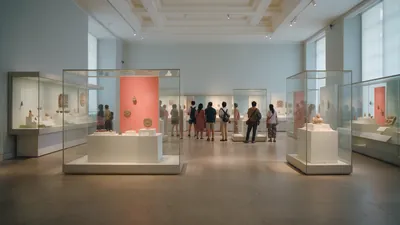
Museums and exhibitions
Timed entry with a real capacity per window, and one scan per party at the door.
Read moreTell us about the event
Send the date, the venue, the capacity and whether there are numbered seats. We will build the event and have it ready to test before you agree to anything.
Prefer email? support@quicket.me