


A tour operator's economics are decided by two numbers: how full the average departure is, and what share of each booking somebody else takes for having found the customer. The global travel marketplaces are very good at that second job and charge between fifteen and thirty percent for it. That is a fair price for a traveller who had never heard of you, and a punishing one for the guest a hotel concierge sent, or the one who came back a second time. The answer is not to have no channel. It is to have a direct one of your own, and a regional listing, both sitting on the same calendar as everything else.
What the week actually looks like
The admin, rather than the touring, is what caps how many departures a small operator can run.
- Availability lives in a spreadsheet that one person maintains, and the marketplaces are updated from it by hand
- A departure is confirmed or cancelled on a minimum number, and chasing that number is a daily job
- Pick-up points, dietary needs and passport numbers arrive by message, in pieces, the night before
- Nobody can say which departures made money, because the commission differs per channel and per booking
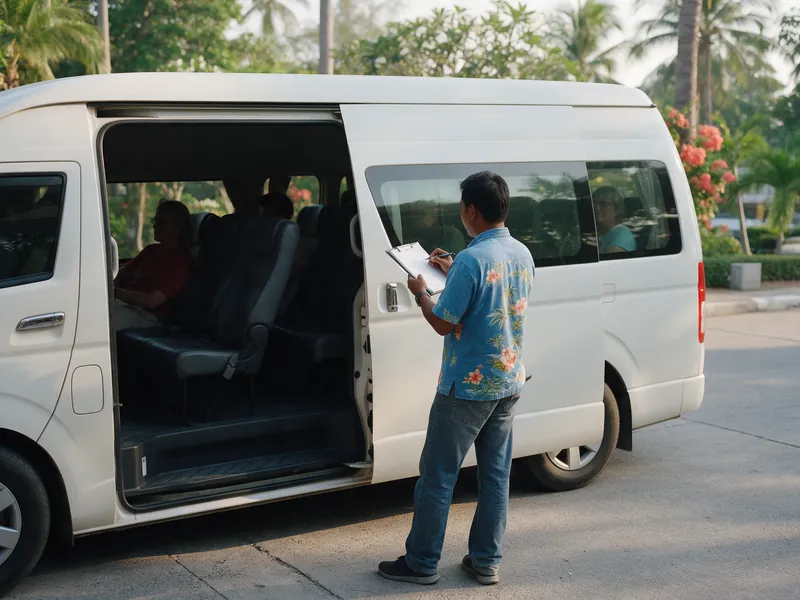
The guide is paid whether four people came or twelve. That is the entire margin question.
Fill rate, not booking count
Most of a departure's cost is fixed before anyone books it. The guide, the vehicle and the permit cost the same for four guests as for twelve, which means the difference between a good month and a bad one is fill rate rather than the number of departures you run.
Two things move that number. A page where availability is true, so somebody deciding at eleven at night can book without waiting for a reply. And a waitlist on the departures that fill, so when a party of four cancels you can see who was waiting for four rather than posting it and hoping.
What you get
Set up around a departure rather than around an appointment.
- Departures as a weekly pattern with duration and turnaround, so the calendar fills itself as far ahead as you sell
- Capacity per departure, with a minimum you can price for and a maximum that is refused rather than quietly exceeded
- Whatever you need asked at the time of booking: pick-up point, dietary needs, certification, passport or licence number
- Group and private rates as rules on the number of people, rather than a separate product you maintain twice
- Tiered cancellation policies, so a cancellation two days out and one two hours out are not the same thing
- A guest record that shows who has travelled with you before, which is who your next season is sold to
A direct channel, a regional listing, and one honest caveat
Two things are true here. Quicket is a marketplace, so your departures are listed on quicket.me and in the app and get found by people booking within Bangladesh and Thailand. And it is a direct booking engine, so you have somewhere of your own to send the traffic you already earn: the hotel referral, the returning guest, the person who found your name in a guidebook. The caveat is the global platforms. This does not two-way sync availability with Klook, Viator or GetYourGuide, so if they are most of your business you will still be updating them by hand, and that is worth weighing seriously before you move anything.
Common questions
Does this replace Klook and Viator?
No, and it would be dishonest to sell it that way. This does not sync availability two ways with them, so if they are most of your volume you keep updating them. What it does give you is the two channels they cannot: a listing on a regional marketplace that reaches people booking here, and your own direct page for the bookings you already earned, the concierge referral, the repeat guest, the person who searched your name.
Can we set a minimum number to run a departure?
Yes, as a priced minimum rather than a note. You can also set a maximum, which is refused at the calendar rather than clamped after the fact. What the system does not do for you is decide to cancel: it shows you where each departure stands so that call is yours, and cancelling releases the places and triggers the policy you set.
How do we collect pick-up points and passport details?
As questions attached to the specific tour, so a city walk does not ask for a certification level and a dive trip does not ask for a hotel lobby. Answers sit on the booking, on the guest's record and on the day's roster, grouped by departure time, which is where the guide actually needs them.
What happens when we cancel for weather?
You cancel the departure, the places return to stock, and guests are notified. What each guest gets back follows the cancellation policy on that tour, and you can refund in full regardless when the cancellation is yours rather than theirs. Refunds are approved and recorded here; the money itself goes back through your payment provider.
We work with agents and hotels. Can they book?
They can be given an allocation out of the same capacity, so what they hold is genuinely held rather than promised alongside it, and what they have not sold comes back to you rather than sitting in somebody's notebook. Commission arrangements themselves stay between you and the agent; what this fixes is the double-booking.
Other industries we work with

Adventure activities
Places per departure, group minimums, and a cancellation policy that survives weather.
Read more
Museums and exhibitions
Timed entry with a real capacity per window, and one scan per party at the door.
Read more
Gyms and fitness classes
Classes with real capacity, day passes and memberships, and attendance from the door.
Read moreTell us about the event
Send your departure times, how many you take per departure, and what you need to know about a guest before they arrive. We will build it and send you a page to try.
Prefer email? support@quicket.me