


Most booking software is built around one shape of thing. A kayak run is ninety minutes with eight places in it. A room is a stretch of nights. A gym pass is a month of walking in whenever you like. A course is eight Tuesdays that only mean anything together. Run those on four different tools and you have four inventories, four payout accounts, and no answer to how many people are on your site this Friday. This is one engine with five booking shapes in it, so a place that sells several of them sells them from one catalogue.
Five shapes, one engine
Which one you pick changes the calendar, the pricing and what the guest is given. It does not change the checkout, the reporting, or where the money lands.
Time slots
A start time with places in it: tours, boat runs, treatments, court hire, escape rooms. Duration and turnaround are set per thing, so the next slot opens when the last one is actually clear rather than the minute it nominally ended.
Tours, activities, treatments, rentals
Nights
Priced and held per night, with a minimum and maximum length of stay. Two nights takes two nights of that room out of stock, and a one-night request against a two-night minimum is refused at the calendar rather than after the card has been charged.
Resorts, guest houses, villas, camps
Day and season passes
An entitlement rather than an appointment: a pool day, a gym month, a park season. You decide whether the code is good for one entry, a fixed number, or unlimited scans for as long as the pass lasts.
Pools, gyms, parks, museums
Multi-session courses
A set of sessions sold as one thing, so somebody enrols once and is on the roster for all eight weeks, instead of booking week by week and quietly falling off at week three.
Classes, workshops, training, academies
Seated showtimes
A seat map per showing, with seats held while the buyer decides and released the moment they do not. The same seating engine the event side runs on, pointed at a daily schedule instead of a one-off.
Cinemas, theatres, screening rooms

Eight places, one instructor, one hour. The only thing the software has to get right is how many are left.
The only hard part is the last place
Most of a booking system is a form. The part that actually costs money is two people paying for the same last place thirty seconds apart, and one of them arriving to find it gone.
So a place leaves stock the moment it goes into a basket, is held for fifteen minutes while the buyer pays, and goes back the moment they walk away. The final commit is a single conditional write that only succeeds if the place is still available at that instant, which is what makes it impossible for two simultaneous buyers to both win it. Availability on the page already has held places subtracted, so nobody is ever offered something that is mid-purchase by somebody else.
Pricing that follows the day
One base price per thing, then rules over the top. Each rule says what it applies to and what it does, they run in a fixed order, and the result is frozen onto the booking, so a price can be explained months later rather than recalculated and hoped for.
- The day of the week, for a weekday rate that is not the weekend rate
- A range of hours, for an early bird or a quiet afternoon
- A range of dates, for a season, a holiday week or a festival
- A minimum number of people, which is how a group rate is expressed
- A minimum length of stay, for a rate a shorter booking does not get
- How far ahead the booking is made, for early-booking and last-minute prices
What happens when plans change
Guests cancel and reschedule from the confirmation itself, including guests who never made an account: the code in their email is what identifies them. What they are allowed to do, and what they get back, is the cancellation policy you set on that thing, with tiers by how close to the start they are. You can also cancel from your side, refund in part or in full up to a cap the system enforces rather than trusts, and the place goes straight back into stock. Every one of those movements is written to a ledger you can read afterwards, and the same action taken twice does not happen twice.
Common questions
What can I take bookings for?
Time-slot activities like tours, treatments, court hire and rentals; nights, for resorts and guest houses; day and season passes for pools, gyms and parks; multi-session courses; and seated showtimes with a seat map. One place can sell several of these at once: a resort with rooms, a spa, a pool day and a dive course is one listing with four kinds of thing under it, and a guest who books three of them gets one booking and one code.
What stops two people booking the last place at once?
A place leaves stock when it enters a basket, not when payment clears. It is held for fifteen minutes and released automatically if the buyer walks away. The final commit only succeeds if the place is still available at that instant, so of two simultaneous buyers exactly one wins and the other is told straight away rather than after being charged. Availability shown on the page already has held places taken out of it.
Can the price change by day, season or group size?
Yes. A base price per thing, then rules keyed on the day of the week, the time of day, a range of dates, the number of people, the length of stay, or how far ahead the booking is made. Rules carry a priority, can be set to stack or not, and can refuse to combine with coupons. The finished calculation is stored on the booking, so months later you can see exactly which rules produced that number.
How do cancellations and refunds work?
You set a cancellation policy per thing, tiered by how close to the start the guest is. Guests cancel or reschedule from their confirmation, with or without an account, and the place returns to stock immediately. You can refund in part or in full, capped against what was actually paid. The refund is decided and recorded here; the money itself goes back through your payment provider rather than being reversed on the card automatically.
Is this separate from our ticketing?
No. Experience lines sit in the same basket as event tickets and add-ons, go through the same checkout and the same payment methods, and settle into the same account. Somebody can hold a festival ticket and a room for that weekend in one basket and pay once.
The rest of what we do

Stay and room booking
Nightly inventory, minimum stays, and a guest tab that covers more than the room.
Read more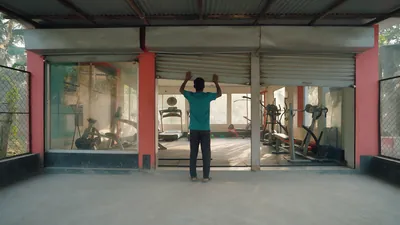
Availability management
Opening times, capacity and closures in one calendar the booking page reads from.
Read more
Guest management
One record per guest, built from the bookings rather than typed in afterwards.
Read moreTell us about the event
Tell us what you sell and how a day is shaped: the times, the capacity, what a group of six pays. We will build it and hand you a working booking page to try before anything is agreed.
Prefer email? support@quicket.me