

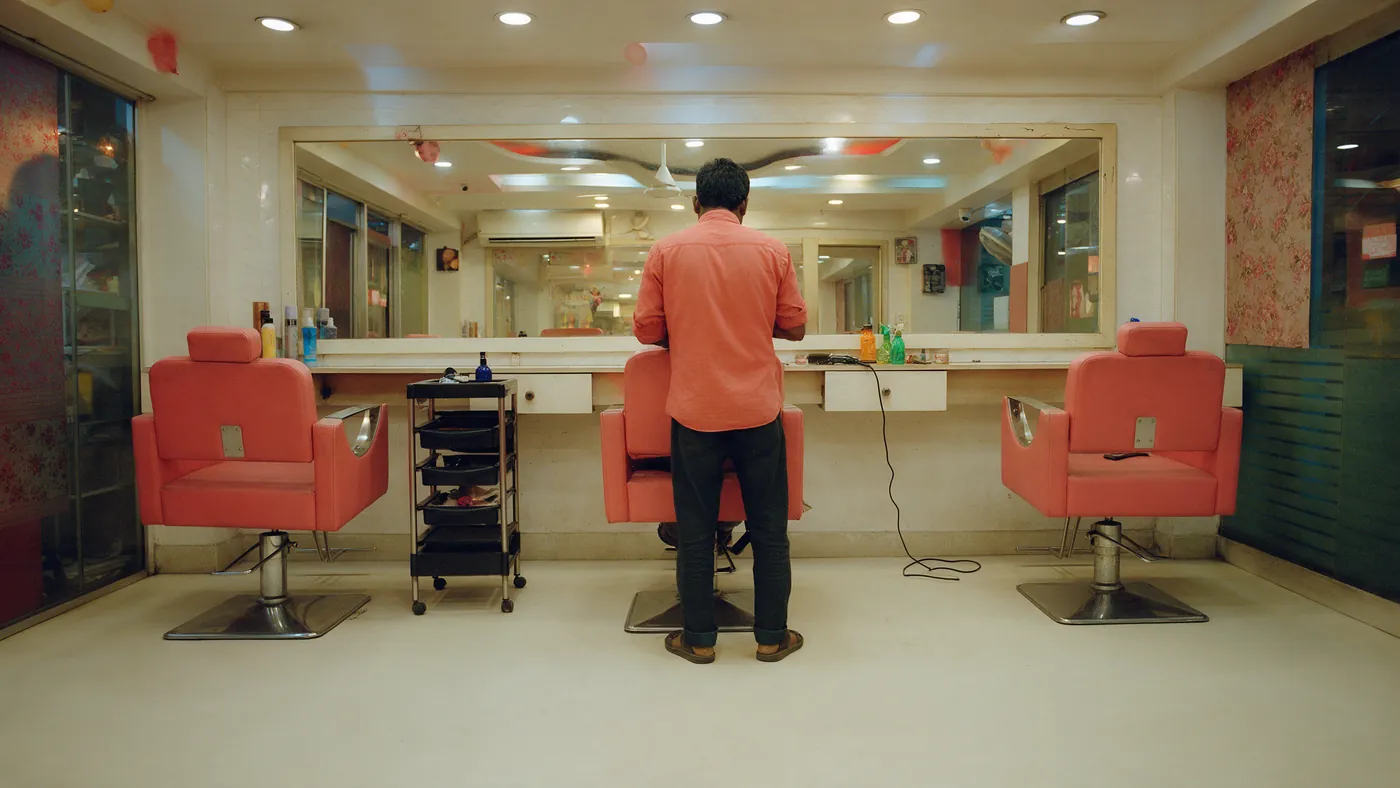
A salon's calendar is its inventory, and most salons run it inside a messaging app. That works until it does not: two people are told four o'clock, a colour gets booked into a thirty-minute gap, and the client who never arrives costs an hour that was refusable. None of that is a discipline problem. It is what happens when the booking and the conversation about the booking live in the same thread.
Where the hours actually go
The pattern is the same in Dhaka and in Bangkok. Only the app changes.
- Appointments arrive as messages, so somebody has to be reading messages for the calendar to be true
- Treatments take different lengths of time but the booking does not know that, so a cut and a colour occupy the same slot
- No-shows are absorbed rather than priced, because asking for money up front means asking for it in a chat
- Nobody can see which clients come back, which came once, and which have not been in for six months

A chair held for somebody who does not arrive costs exactly what it would have earned.
The calendar is the product
Everything else a salon buys software for (the loyalty scheme, the campaigns, the reports) is downstream of whether the appointment book is true. If it is, no-shows can be priced, gaps can be filled, and the dead hours become visible. If it is not, none of the rest matters.
So the starting point is unglamorous: treatments with their real durations and the turnaround after them, opening hours as a pattern rather than a habit, and a booking page anybody can reach without having to ask a person whether four o'clock is free.
What you get
Honest about the shape of it: this books the salon's capacity, not an individual stylist's diary.
- Each treatment with its real length and the turnaround after it, so a colour cannot be booked into a trim's gap
- Opening hours as a weekly pattern, with closures, holidays and short-staffed weeks as rules over the top
- How many clients you can genuinely take at once, counted as people in the shop rather than as fixed group slots
- Payment at booking through bKash, cards or PromptPay, or free booking settled in the chair: your choice per treatment
- A client record that builds itself: what they had, when, what they spent, what they are allergic to, and how often they do not arrive
- Walk-ins rung up at the counter on the same system, so the calendar and the till agree
What this does not do yet
It books the salon, not the stylist. There is no per-person diary, no way for a client to ask for one particular person, and no commission tracked against whoever did the work. For a single-chair barber, a small shop where whoever is free takes the next client, or a spa selling rooms and treatment hours, that is the right model and nothing is missing. For a larger salon where the regulars book a named person and staff are paid on what they personally bill, it is not, and that is a real gap rather than a roadmap item we are being coy about. We would rather say it here than three weeks into a setup.
Common questions
Can clients book a specific stylist?
Not today. The calendar counts how many clients the shop can take at once; it does not keep a diary per person or let a client choose one. If your regulars book a named stylist, this will not fit yet, and we would rather tell you here than after a setup. It works well where whoever is free takes the next client, or where what is really being booked is a room or a chair.
Can I take a deposit to stop no-shows?
Not a partial one. A booking is either paid in full online at the time it is made, or free to book and settled in the chair: there is no option today to take part of the money now and the rest later. Full prepayment is the stronger deterrent of the two anyway, and where that is too much to ask for a treatment, a tiered cancellation policy plus a client record that counts no-shows covers most of the rest.
Will it tell me who my regulars are?
Yes, and it builds that from the bookings rather than asking anyone to maintain it. Each client carries what they have booked, what they spent, when they first came, when they last came, and how many times they did not arrive. You can save a question as a segment (everyone who came once and never returned, everyone who has not been in for six months) see how many match, and export it.
Most of our clients just walk in.
Then take them at the counter on the same system. It creates a real booking, moves the capacity, records how they paid, and builds their client record, which is usually the biggest hole in a salon's customer list. Online booking then becomes the thing that fills the quiet hours rather than the only way in.
What does it cost?
Quoted against the shop rather than published, because a two-chair barber and a twelve-room spa are not the same job. Two things worth knowing going in: the international platforms most salons compare against have largely moved away from free tiers, and several regional vendors sell a one-time licence rather than a subscription. Tell us which of those you are weighing this against and we will answer in those terms.
Other industries we work with

Hotels and guest houses
Direct bookings on your own page, a listing that gets you found, and one calendar behind both.
Read more
Cinemas and live venues
Seat maps, showtimes and a box office for independent screens and stages.
Read more
Stadiums and tournaments
Reserved stands and open terraces on one capacity, and a gate that keeps moving.
Read moreTell us about the event
Send your treatment list with how long each one really takes, your opening hours, and whether clients book a person or just a time. If it is a person, tell us anyway: that is the thing we most want to know we are wrong about.
Prefer email? support@quicket.me