

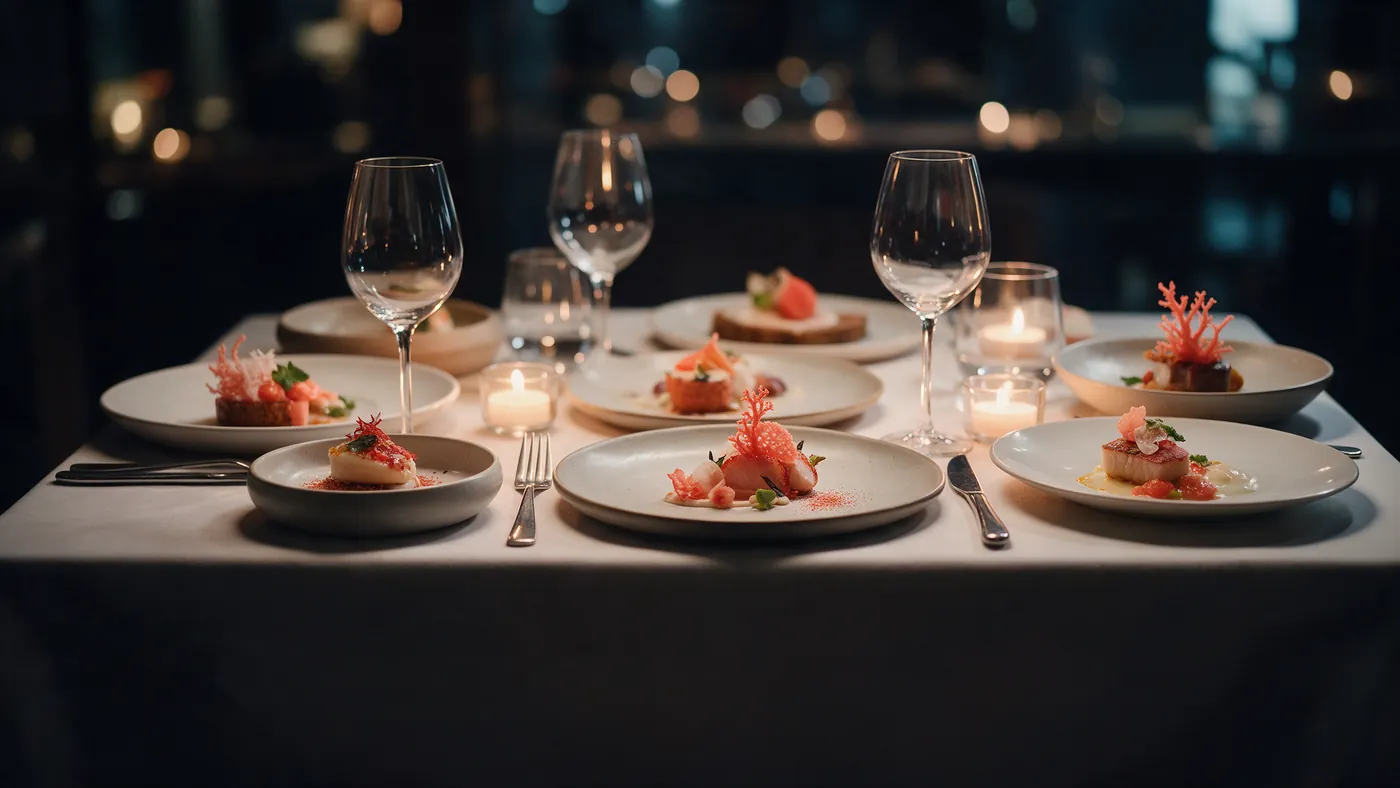
This page is narrower than most restaurant software, on purpose. It is not a table management system and does not pretend to be. What it does well is the part of a restaurant's business that behaves like an event: a tasting menu on a Thursday, a chef's table for eight, a themed brunch with two sittings, a supper club, a cooking class. Those are ticketed occasions with a fixed number of covers, and they suffer badly when they are run through a reservation book.
Why a reservation book is the wrong tool for this
A reservation is an intention. These are commitments, and they cost money when they evaporate.
- A set menu night is filled by reservation, so the no-show costs the ingredients that were bought for it
- Dietary requirements arrive on the day, when the kitchen has already prepped
- Two sittings are managed as one long service, and the second one runs late from the first
- Payment happens at the end, which is normal for a restaurant and ruinous for a ticketed occasion
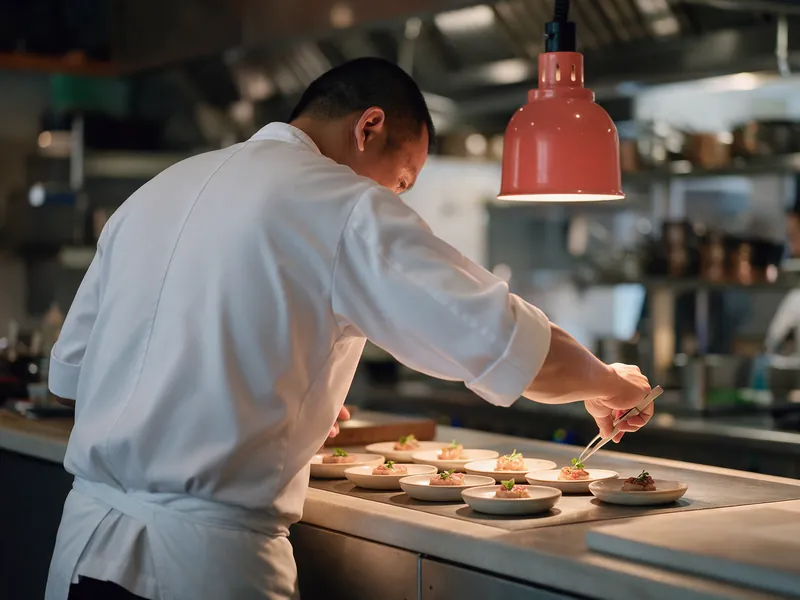
The ingredients for a tasting menu are bought before anybody arrives. That is what makes it a ticket rather than a reservation.
If you buy the food first, sell it like a ticket
A normal service absorbs a no-show. A tasting menu does not: the cost was incurred when the order went in, and a table of four that does not arrive is a loss that no amount of walk-in traffic recovers on a Tuesday.
That is the whole argument for prepayment on these occasions. It is also more comfortable for the guest than it sounds, because a ticketed dinner is understood to work that way. What it buys you is an accurate cover count days in advance, dietary requirements before you prep, and a kitchen cooking to a number rather than to an estimate.
What you get
For occasions with a fixed number of covers and a fixed start.
- Sittings as start times with a real cover count, and turnaround between them so the second sitting is not the first one running over
- Set menus, tasting menus and packages as the thing being bought, with the price fixed at the point of booking
- Prepayment through bKash, cards or PromptPay, or free booking where you would rather not
- Dietary requirements, allergies and occasion notes asked at booking and on the kitchen's list for that sitting
- Add-ons for pairings, a cake, or a private room, priced and counted so purchasing knows the numbers
- Guest history, so the couple who come every anniversary are recognised by the system and not only by the maitre d'
It does not manage your floor
There is no table plan here. The product counts covers per sitting; it does not assign table seven to a booking, sequence turns across a service, or tell a host which two-top is about to free up. If what you need is a reservation and floor management system for everyday service, this is not it and we would rather you knew in the first minute. Where it earns its place is alongside that: the ticketed occasions that a reservation book handles badly, sold properly and paid for in advance.
Common questions
Is this a table booking system?
No. There is no table plan, no assignment of a booking to a specific table, and no turn sequencing across a service. It counts covers against a sitting. For everyday reservations you want a floor management system; this is for the ticketed occasions that sit awkwardly inside one.
How do set menus and tasting nights work?
As the thing being bought rather than as a note on a reservation. The menu is the product, the price is fixed at booking, and the sitting has a real cover count. Pairings, a cake or a private room attach as add-ons, priced and counted, so the kitchen and purchasing both work from the same numbers.
Do guests have to pay in advance?
That is your choice per occasion, and both work. Full payment at booking is what makes a ticketed dinner behave like a ticket, and it is the single most effective thing against no-shows on a night where the food was bought in advance. What is not possible today is a partial deposit with the balance settled at the table.
What about private dining and large groups?
A private room or a chef's table is its own bookable thing with its own capacity and its own length, held properly for the duration. A group takes its covers out of the sitting, and whatever you need to ask, dietary requirements, occasion, arrival time, is captured once at booking rather than assembled from a message thread.
How does it help with no-shows?
Mostly by removing the reason they are free. Prepayment at booking, a tiered cancellation policy so a cancellation that morning and one a week out are treated differently, the seat returning to sale the moment somebody cancels, and a guest record that counts how often somebody has failed to arrive.
Other industries we work with

Coworking and meeting spaces
Desks, rooms and day passes booked by the hour against what you actually have.
Read more
Photography and creative studios
Hourly blocks with turnaround built in, add-ons for kit, and paid before the door opens.
Read more
Equipment and vehicle rentals
Hire by the hour or the day, counted against how many you actually own.
Read moreTell us about the event
Tell us about the occasions rather than the restaurant: what the sittings are, how many covers each one takes, and what the menu costs. That is the part this is for.
Prefer email? support@quicket.me