

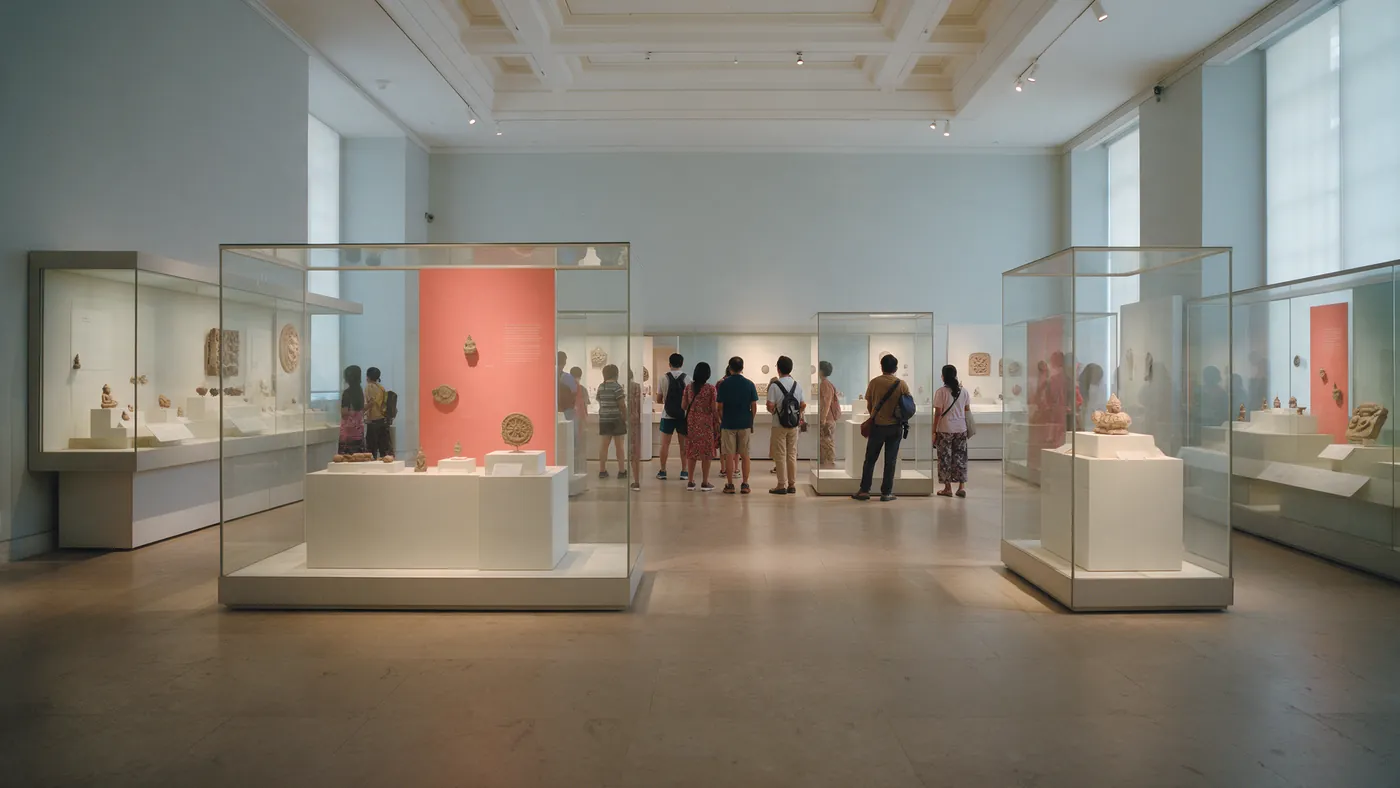
A museum has the opposite problem to a concert. Demand is not concentrated into one night; it is spread across opening hours, and the thing that ruins a visit is everybody arriving in the same forty minutes. Timed entry is the fix, and it only works if the capacity attached to each window is genuine and the door is reading the same number as the website.
What an unmanaged door costs
Usually paid by the visitor, and invisible in the takings.
- Everyone arrives at opening or after lunch, so the galleries are uncomfortable twice a day and empty in between
- School groups are booked by phone and arrive at the same time as the weekend rush
- A special exhibition is sold on the same ticket as general entry, so nobody knows what it actually drew
- Members and free categories are handled by a person at the desk recognising them, which is not a count
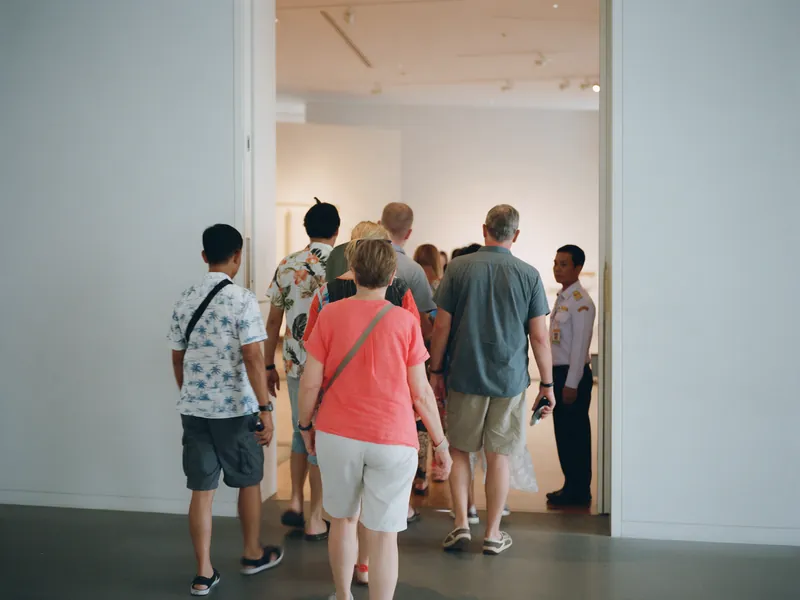
The point of a timed ticket is not revenue. It is that the room is worth standing in when you get there.
Spreading arrival is the product
Timed entry is often described as a queue management tool, which undersells it. What it actually does is protect the experience you are charging for: a gallery at comfortable occupancy is the thing people tell other people about.
It needs a real number behind each window, not a label. Capacity per entry slot is enforced, the door reads the same count as the website, and a walk-up sold at the desk takes a place out of the next available window rather than being waved through into a room that is already full.
What you get
Entry windows, groups, exhibitions and members, on one count of the building.
- Entry windows as a pattern across opening hours, with a real capacity on each one
- Occupancy counted as people in the building where that is the true constraint, rather than as fixed batches
- Special exhibitions as their own ticket with their own capacity, sold alone or with general entry
- School and group bookings as real bookings, with head count and whatever you need to ask recorded
- Free and concession categories that are counted rather than waved through, so visitor numbers are true
- One scan per party at the door, and a walk-up sold at the desk against the same windows
Counting the free ones matters most
Museums report visitor numbers to funders, boards and ministries, and the categories that are hardest to count are usually the ones that are free: members, children, students, school groups, guests of the institution. When those are handled by recognition at the desk, the number in the annual report is an estimate. Issuing them as zero-price tickets against the same capacity costs the visitor nothing, takes the same two seconds, and turns the figure you report into something you can show the working for.
Common questions
How does timed entry work here?
You describe your opening hours, how long a window is and how many people it holds, and the windows generate from that as far ahead as you sell. Each one carries a real capacity that both the website and the door respect. Individual windows can be capped, closed or priced differently, which is how a quiet Tuesday morning becomes cheaper than a Saturday.
Can a special exhibition have its own ticket and capacity?
Yes. It sits on the same listing as general entry with its own capacity and its own price, sold on its own or together with entry in one booking. Because it is a separate product, you can finally see what the exhibition drew rather than inferring it from a rise in total admissions.
What about school and college groups?
They become real bookings against a window, so thirty children take thirty places out of the count rather than arriving on top of it. You can ask what you need at the time of booking, and the whole party checks in on one code. The day's roster shows who is due and how many, in arrival order.
How do we handle members and free entry?
As zero-price tickets against the same capacity, which is the only way they end up in the count. Members can be carried as a segment, so a preview or a members' hour is a filter rather than an export. The visitor still scans, it still takes two seconds, and the attendance figure you report becomes something you can evidence.
Most of our visitors just turn up.
Then the desk sells from the same windows the website sells from, and a walk-up takes a place in the next available one. That is what stops the two channels from disagreeing about how many people are inside, and it is also how a walk-up visitor becomes a counted visitor rather than a cash entry.
Other industries we work with
Gyms and fitness classes
Classes with real capacity, day passes and memberships, and attendance from the door.
Read more
Courses and workshops
Enrol once and be on the roster for every session, not booked week by week.
Read more
Kids and family activities
Sessions, party slots, and the details you actually need from a parent.
Read moreTell us about the event
Send your opening hours, how many people the building is comfortable with at once, and what the free categories are. That is enough for us to build the entry windows and show you the shape of a day.
Prefer email? support@quicket.me